
Nestled in the eastern part of Louisville, the Bowman neighborhood is one of the city’s best-kept secrets—a tapestry of history, heritage, and evolution. Though often overshadowed by more celebrated neighborhoods, Bowman possesses a distinctive character, shaped by its unique origins and storied landmarks. For residents and visitors alike, the area is a quiet testament to Louisville’s dynamic past and enduring community spirit.
Origins: From Farmland to Aviation Hub
Bowman traces its roots back to the early 20th century, when much of today's neighborhood was rolling Kentucky farmland punctuated by the occasional homestead. The story of how the neighborhood took its name begins with Abram Hite Bowman, a prominent Louisvillian and aviation enthusiast. In 1919, Bowman and his associates purchased a swath of pastureland along Taylorsville Road, then on the outskirts of the city, marking a pivotal moment for the area’s identity.
By 1920, that tract of land became Bowman Field—now one of the oldest continually operating commercial airports in the United States. This airport didn’t just give the neighborhood its name; it established Bowman as a landmark in Louisville’s modern era, connecting the city to the nation and, in many ways, the world.
Key Milestones in Bowman’s History
- 1920: Bowman Field opens, launching a chapter of innovation and growth. Its handsome Art Deco terminal, built in the 1920s, still graces the corner of Taylorsville Road and Pee Wee Reese Road, serving as an enduring icon of aviation’s golden age.
- 1930s–1940s: During World War II, Bowman Field becomes an essential training site for the U.S. Army Air Forces, bustling with young cadets and military activity. The influence of this era lingers in local memory and architecture.
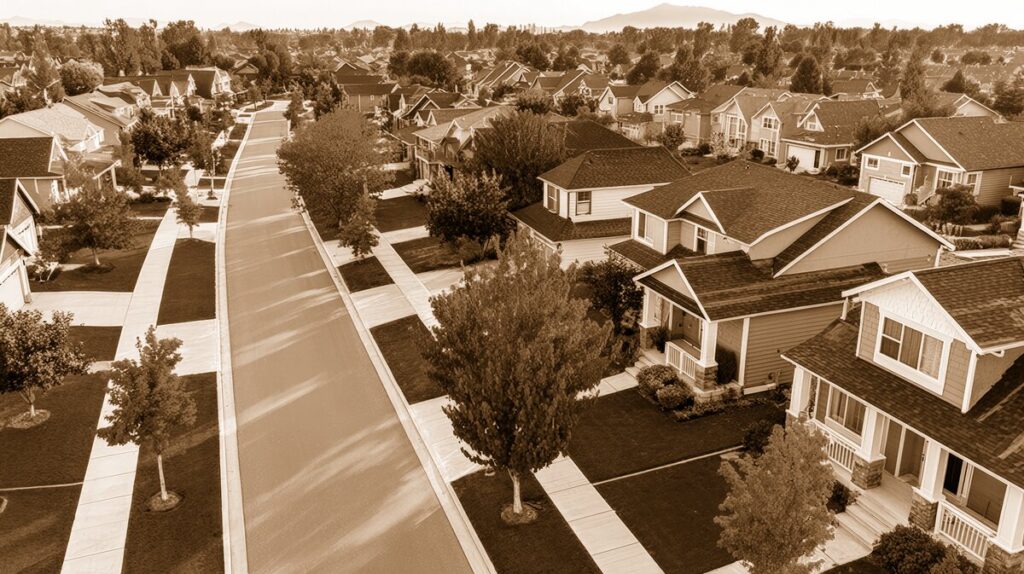
- Postwar Era: After the war, the area around Bowman transforms rapidly. Subdivisions sprout, and longtime farmland gives way to an array of cozy mid-century homes, solidifying Bowman as a family-oriented neighborhood.
- Late 20th Century–Today: Bowman’s role shifts from a transportation hub to a quieter residential enclave, with the airport focusing on private and recreational aviation, including the Louisville Aero Club and Kentucky Air National Guard.
Streets, Parks, and Landmarks: The Heart of Bowman
Bowman is more than its famous airfield. The neighborhood spreads along Taylorsville Road, with borders loosely defined by the airport, Browns Lane, and Dutchmans Lane.
- Bowman Field (334 Bowman's Field Road): The beating heart of the neighborhood. Its art deco administration building—still home to aviation offices and local aviation memorabilia—remains a time capsule, recalling days when passenger travel was glamorous.
- Seneca Park: Just a short walk from the airport’s western edge, Seneca Park lives up to the Olmsted Brothers’ legacy, offering walking trails, ball fields, and scenic beauty. Locals mingle here with neighbors from nearby Seneca Gardens and Belknap, creating a warm, interconnected community.
- Historic Hangars and Private Aircraft: While commercial flights may have moved to Louisville International, Bowman’s hangars still shelter sleek private planes and vintage warbirds—a sight that never fails to thrill local kids and life-long residents.
Institutions and Community Touchstones
The sense of community in Bowman extends beyond its architecture and landscape. Taylorsville Road’s classic eateries—like the long-loved Frisch’s Big Boy and the more recent Café Lou Lou—serve as gathering spots for neighbors. The Louisville Executive Aviation, operating from Bowman Field, regularly hosts open houses, fly-ins, and educational events that bring together young aviation enthusiasts.
On the academic side, the neighborhood is home to Assumption High School on Tyler Lane and Trinity High School just a short drive away, both of which draw families seeking premier educational opportunities. Houses of worship, like St. Michael Antiochian Orthodox Church, add further richness to Bowman’s cultural fabric.
Evolution Through the Decades
Though firmly rooted in tradition, Bowman has never been stagnant. Postwar suburban development threaded the neighborhood with winding roads like Dutchmans Lane and Amelia Place, and newer apartments and professional offices now blend seamlessly with classic brick colonials and Cape Cods. Despite Louisville’s city-wide growth, Bowman has managed to retain what locals might call its “just-right” balance of city accessibility and small-town warmth.
- The sound of a small Cessna taking off in the morning is a reminder of Bowman’s aviation pedigree.
- The green, open spaces of Seneca Park and the stately trees lining Kenesaw Boulevard offer respite and recreation for all ages.
- Today, revitalization efforts are underway to preserve and enhance the Art Deco charm of Bowman Field’s administration building, reflecting the neighborhood’s dedication to honoring its past while embracing the future.
Why Bowman Endures
In a city celebrated for its neighborhoods, Bowman holds a special place. It’s not just the airport—though aviation buffs and history lovers will always find stories to unearth at Bowman Field—it’s the way the neighborhood has married progress with preservation. The local streets, parks, and gathering spots invite newcomers and nurture multigenerational ties.
Neighbors here greet each other by name at the branch library on Dutchmans Lane or while shopping at the local Kroger. Block parties are still a fixture in summer, echoing the collective spirit that has long defined Bowman.
Bowman endures because its charm is not just architectural or historical—it’s deeply personal. It’s in the laughter of children playing under century-old oaks, the hum of a vintage propeller in the distance, and the time-honored sense of belonging that’s as rare as it is real.
Whether you’re a visitor drawn by tales of early aviation or a new resident searching for a welcoming community, Bowman stands ready to share its past—and its promise—with you.